
Ottawa can be known for it’s cold and frigid weather but cyclists are still out and about, this guide will help you discover essential tips for biking in the winter time

Ottawa’s winters are known for their heavy snowfall, frigid temperatures, and icy streets, but that doesn’t mean cycling has to come to a halt. With the right preparation, winter biking can be a safe, efficient, and even enjoyable way to get around the city.
Whether you’re a seasoned cyclist looking to extend your riding season or a newcomer curious about commuting on two wheels through the snow, a few key strategies can make all the difference.
From choosing the right gear to adjusting your riding technique, winter biking requires a different approach than summer cycling. Proper clothing, bike maintenance, and route selection are crucial for staying warm, visible, and in control.
Here are some tips and tricks for cycling in the winter months.
You Don’t Need Fancy Equipment
There’s this illusion many people have that when it comes to the wintertime, you need to buy all the bells and whistles. While having studded tires may improve your time on an icy track, you can also get a simple set of wider tires.
“Start with a low budget, and don’t buy a fancy bike because if you don’t like it, you’ll regret it later,” said Fabien Lessard, a Secondary 5 student.
Lessard says many first-time winter commuters try to spend a lot of money on a new bike.
Layer Up
Lessard says the most important thing for cycling in the wintertime, in his opinion, is dressing warmly.
“Dress appropriately and in layers,” said Alex Woznica, a bike mechanic and manager for Retrorides.
Ottawa can reach below-freezing temperatures from January to February, making it incredibly cold. The Mountain Equipment Company for biking says that layers are essential, along with waterproof clothing and thermal, water-resistant tights underneath your pants.
“A lot of people make the mistake of thinking you need the biggest, warmest jacket, which is what you need if you’re waiting around for the bus,” Woznica said, “but when riding, your heart rate is getting up, so you need layers that allow you to customize your level of insulation.”
Wear Your Helmet
It goes without saying that you should put on a helmet when riding your bike, especially in Ottawa’s downtown core.
“You’d be surprised how many people try to get away with not putting on a helmet,” said Yinuo Li, a Grade 10 high school student.
According to the City of Ottawa, you must wear a bike helmet at all times if you’re under the age of 18.
“Get a good helmet, you really need one, because if you fall, you don’t want to die just because you didn’t wear your helmet and a car hits you,” said Li.
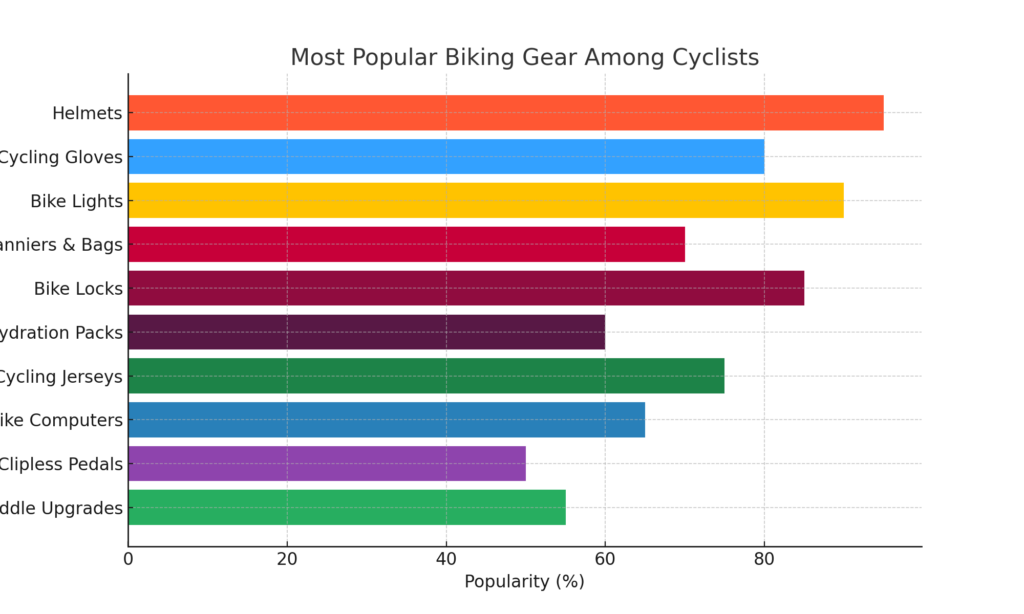
Lighting
In Ottawa, during the winter, it gets dark quickly. Around 4-5 p.m., the sun sets, and Ottawa becomes blanketed in darkness.
“Lighting is important year-round, and anytime it’s dark, you’re going to want a good front light that is white, and a good rear light at the back of your bike,” said Woznica.
Take Up Your Space
Don’t be afraid of cars passing by and traffic. Bike lanes in Ottawa have made it safer and more convenient for bikers to get around.
“The amount of road available to you in the winter is just less. The city is maintaining a wider and wider section of the bike lane network every year, and depending on how much it snowed, the bike lane is not always the best option. Sometimes, you have to go on the road,” said Woznica.
In Ottawa, all bikes are allowed on the road, except for highways and transitways.